

Exploring the World with Kobadoo Flags: An Ultimate Geography Game
If you’re a fan of trivia games, especially ones that involve world geography, Kobadoo Flags is your next adventure! Designed to challenge both novices and geography buffs alike, this online game is a fun way to learn more about the flags, countries, and cultures of our world. Here’s what makes Kobadoo Flags unique and why it should be on every trivia enthusiast’s radar.
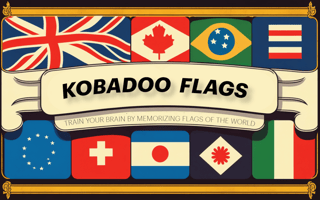
What is Kobadoo Flags?
Kobadoo Flags is an engaging online game that puts your knowledge of world flags to the test. The game offers a simple premise: guess the country based on its flag. But don’t let the simplicity fool you—this game quickly becomes challenging, especially as it dives into lesser-known flags and unique symbols from around the world. It’s not just a guessing game; it’s a learning experience that lets you explore every corner of the world through its vibrant and diverse flags.
Game Features
Multiple Levels of Difficulty
Kobadoo Flags offers different levels, making it accessible for both beginners and expert players. Start with commonly recognized flags and move on to more obscure ones as you progress.Time Challenges
Each round comes with a timer, adding an extra layer of excitement. It encourages quick thinking and makes each game feel fast-paced and thrilling.Hint System
Stuck on a flag? Kobadoo Flags has a hint system that provides a small clue to point you in the right direction. Hints may include regional information, famous landmarks, or cultural symbols associated with the country.Multiplayer Mode
Compete with friends or players worldwide in the multiplayer mode. This feature allows you to test your skills against others, adding a fun, competitive edge to the game.Educational Insights
Each flag is accompanied by interesting facts about the country, making Kobadoo Flags not just a game but a mini world geography lesson! You'll learn about countries’ histories, their cultures, and even the meaning behind certain symbols on their flags.
Why Play Kobadoo Flags?
1. Learn as You Play
Flags are symbolic representations of countries, carrying historical and cultural significance. Kobadoo Flags makes learning geography enjoyable by embedding fun facts and details into each question. For example, did you know that the Japanese flag, with its red circle, represents the sun? Or that the Nepalese flag is the only non-rectangular flag in the world?
2. Sharpen Your Mind
Guessing flags within a limited time frame sharpens your recall abilities and keeps your mind active. This kind of visual memory game enhances cognitive skills and helps you remember countries and their symbols faster.
3. Global Community
Kobadoo Flags allows you to play and connect with people from all over the world. Challenge a player from another country and learn about their flag while sharing yours! You can join leagues, form teams, and even climb leaderboards, all while gaining knowledge and having fun.
4. Quick, Accessible Fun
With an intuitive interface and gameplay that doesn’t require much setup, Kobadoo Flags is easy to pick up and play anytime. Whether you have five minutes or an hour, the game adapts to your schedule, making it perfect for quick breaks or extended gameplay sessions.
Tips for Mastering Kobadoo Flags
Start with Continents
Practice with flags from specific continents to improve your familiarity with regional styles and symbols. For instance, African flags often feature the Pan-African colors (red, green, and yellow), while European flags frequently use crosses.Memorize Unique Features
Some flags have very distinct features. The maple leaf on Canada’s flag or the horizontal tricolor of France are memorable and easily recognizable. Learning a few key details about each flag can help you guess correctly.Play Regularly
The more you play, the better you’ll get. Daily sessions, even if short, help reinforce what you've learned and make it easier to recall flags when you're under time pressure.Use the Hints Sparingly
While hints are useful, try to use them only when you're truly stuck. By challenging yourself to rely on memory first, you’ll retain the information better ove



0 Comments